Can I Build An ADU On My Property?
Many homeowners are now asking the same important question: can I build an ADU on my property? Accessory Dwelling Units, commonly called ADUs, have become one of the fastest-growing home improvement projects because they provide flexible living space, rental opportunities, multi-generational housing, and increased property value.
An ADU can take many forms, including detached backyard homes, garage conversions, attached additions, or basement apartments. However, before construction begins, homeowners need to understand zoning regulations, permit requirements, utility access, design limitations, and construction costs. Every property is different, and local building requirements ultimately determine what is allowed.
Contents
- 1 What Does It Mean To Build An ADU?
- 2 Can I Build An ADU On My Property Legally?
- 3 Types Of ADUs Homeowners Can Build
- 4 How Much Does It Cost To Build An ADU?
- 5 Property Features That Affect ADU Approval
- 6 Two Additional Factors Homeowners Often Overlook
- 7 How Long Does It Take To Build An ADU?
- 8 Benefits Of Building An ADU
- 9 FAQ
- 10 Conclusion
What Does It Mean To Build An ADU?
Before homeowners fully answer the question can I build an ADU on my property, it helps to understand what qualifies as an ADU and how these structures are commonly used.
Understanding Accessory Dwelling Units
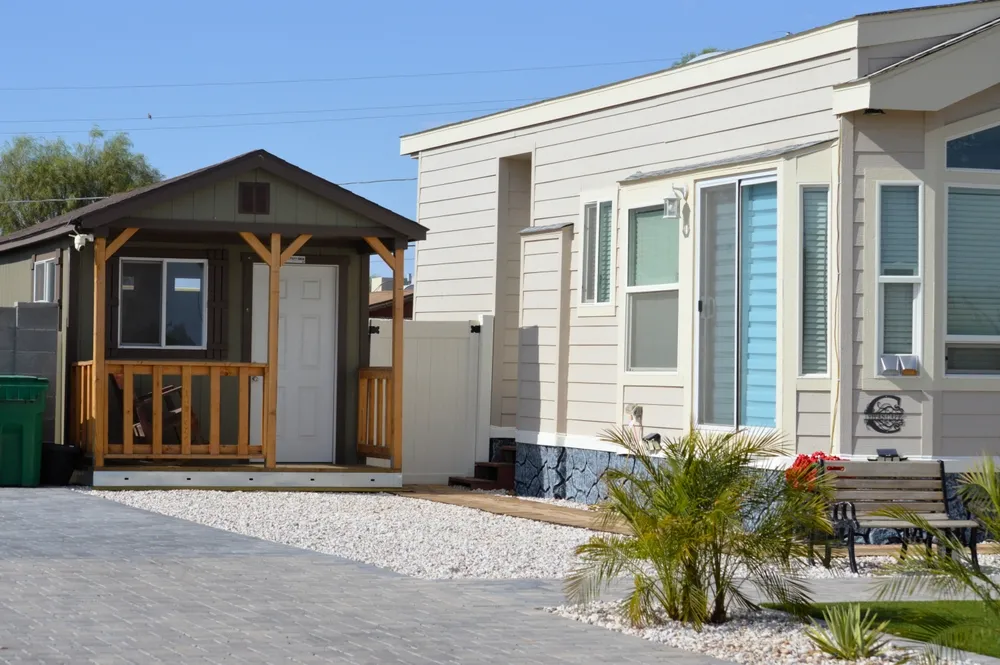
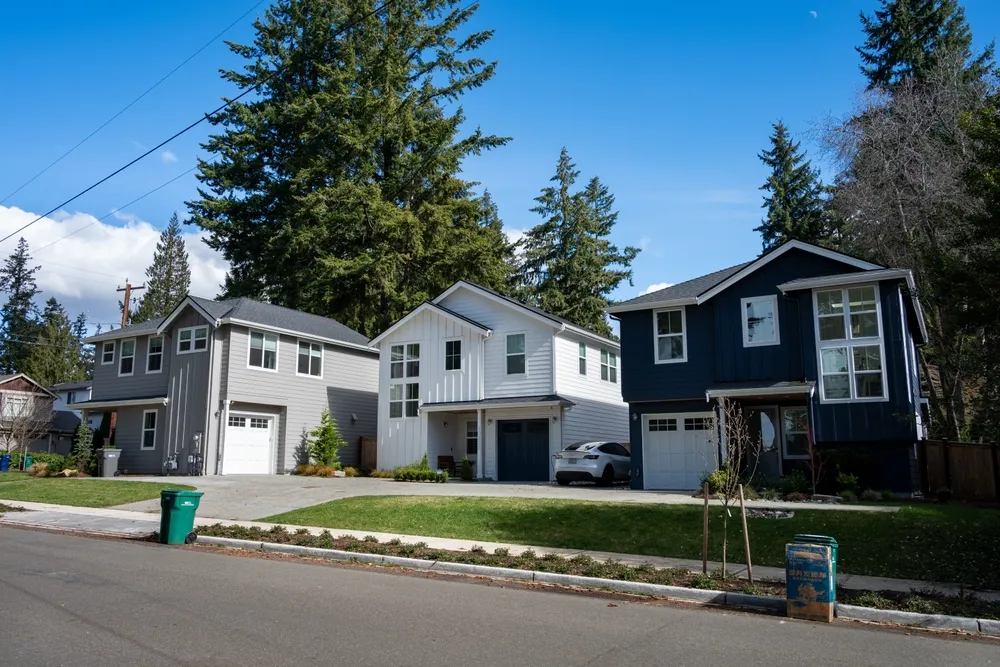
An ADU is a secondary residential unit located on the same property as a primary home. It usually contains its own living area, kitchen, bathroom, and sleeping space. ADUs can be detached structures, attached additions, converted garages, or remodeled basement spaces depending on local zoning allowances.
Why ADUs Are Becoming More Popular
ADUs are increasingly popular because they provide flexibility for changing family and financial needs. Some homeowners use ADUs for aging parents, adult children, guests, home offices, or long-term rental income. Others build ADUs to maximize property value or create more usable living space without relocating.
Can I Build An ADU On My Property Legally?
The answer to can I build an ADU on my property depends largely on local zoning laws, lot conditions, setback requirements, and municipal building codes. Each city and county may have different rules regarding ADU size, placement, utilities, parking, and occupancy.
Zoning And Property Restrictions
Many cities now allow ADUs in residential neighborhoods, but restrictions still apply. Zoning regulations may limit lot coverage, building height, setback distances, or total square footage. Some neighborhoods also have HOA rules or historical district limitations that affect ADU construction.
Homeowners planning major property upgrades often work with experienced remodeling teams that understand local permitting and residential construction requirements, including projects involving home remodeling services.
Permit And Inspection Requirements
Building an ADU almost always requires permits and inspections. Electrical, plumbing, structural, and utility systems must meet local building codes to ensure the unit is safe and legally approved for occupancy. Skipping permits can create serious issues during resale, refinancing, or insurance claims.
Types Of ADUs Homeowners Can Build
Homeowners researching can I build an ADU on my property should understand the different ADU styles available because property layout and zoning often influence which option works best.
Detached Backyard ADUs
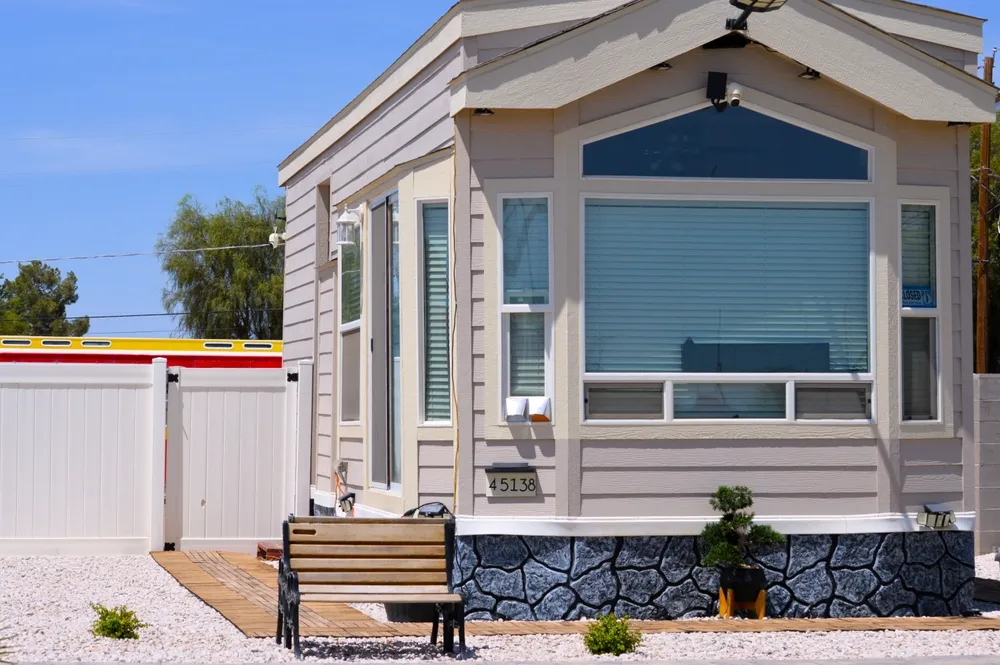
Detached ADUs are separate buildings constructed away from the primary residence. These offer the most privacy and flexibility but usually involve higher construction costs because they require separate foundations, utility connections, and structural work.
Garage Conversion ADUs
Garage conversions are one of the most cost-effective ADU options because they use an existing structure. Converting a garage into living space may reduce construction time and lower overall costs while still creating a fully functional residential unit.
Attached ADUs
Attached ADUs connect directly to the primary home through an addition or converted section of the house. These units often share some utilities with the main home and may simplify construction depending on the layout.
How Much Does It Cost To Build An ADU?
The cost of building an ADU depends on size, design complexity, site conditions, utility upgrades, permits, labor, and finish selections. Costs can vary significantly depending on whether the project involves new construction or converting existing space.
Construction And Utility Costs
Detached ADUs often require new foundations, sewer lines, plumbing, electrical systems, HVAC equipment, and roofing. These infrastructure costs are often among the biggest factors affecting the total budget.
Interior Finishes And Design Choices
Cabinetry, flooring, countertops, appliances, lighting, and bathroom finishes can significantly influence final pricing. Choosing practical but durable materials helps balance long-term value with overall project cost.
Homeowners upgrading other living spaces alongside an ADU project may also explore ideas related to cost to remodel a master bathroom when planning broader home improvements.
Property Features That Affect ADU Approval
Not every property is equally suited for ADU construction. Certain physical and utility-related conditions may influence project feasibility.
Lot Size And Backyard Space
Smaller lots may face tighter setback restrictions or limited construction space. Larger lots generally provide more flexibility for detached ADUs and outdoor access requirements.
Utility Access And Infrastructure
Water, sewer, electrical, and gas capacity all affect whether an ADU can be added efficiently. Some properties require utility upgrades before permits can be approved.
Two Additional Factors Homeowners Often Overlook
When homeowners ask can I build an ADU on my property, they often focus mainly on permits and costs while overlooking several important long-term considerations.
Privacy And Property Layout
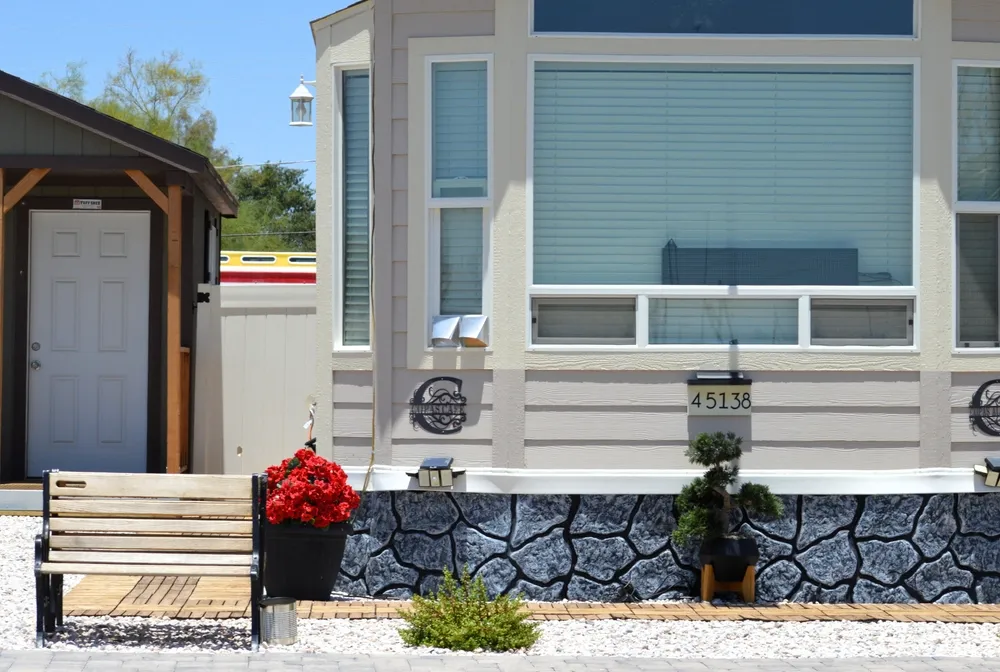
ADU placement affects privacy for both the main house and future occupants. Window placement, walkway access, fencing, landscaping, and parking all influence how functional and comfortable the final property layout feels.
Long-Term Maintenance Responsibilities
An ADU adds additional roofing, plumbing, HVAC systems, appliances, and utility demands to the property. Planning for future maintenance and operating costs helps homeowners avoid unexpected expenses later.
How Long Does It Take To Build An ADU?
ADU timelines depend on permitting, design approvals, construction complexity, contractor scheduling, and material availability.
Planning And Permit Timelines
Permit review alone can sometimes take weeks or months depending on local agencies and project scope. Early planning and detailed documentation help reduce delays during approval stages.
Construction And Final Inspections
Construction timelines vary based on weather, labor availability, inspections, and project complexity. Detached ADUs generally take longer than garage conversions because they involve full structural construction from the ground up.
Benefits Of Building An ADU
For many homeowners, the answer to can I build an ADU on my property becomes less about possibility and more about long-term opportunity.
Increased Property Value
A properly permitted ADU can increase overall property value by adding usable square footage and flexible living arrangements that appeal to future buyers.
Flexible Living And Rental Options
ADUs provide flexibility for multi-generational living, guest housing, home offices, caregivers, or supplemental rental income depending on local regulations.
For additional residential construction guidance and housing information, homeowners may also review resources from the U.S. Department of Housing and Urban Development and the International Code Council.
FAQ

UKB
Unique Kitchen & baths is a family-owned business that is committed to providing high-quality kitchen and bathroom remodeling, as well as flooring installations at affordable prices.