The Best Flooring Options For High-Moisture Bathrooms in 2026
Bathrooms are one of the most moisture-prone areas in any home. Between daily showers, splashes, humidity buildup, and occasional plumbing leaks, the flooring must withstand constant exposure to water. Choosing the right flooring options for high-moisture bathrooms is essential to prevent mold growth, warping, staining, and costly repairs.
Not all flooring materials perform well in damp environments. The key is selecting surfaces that are water-resistant, durable, slip-resistant, and visually appealing. Below, we explore the best choices and what to consider before making your final decision.
Contents
- 1 Why Choosing The Right Flooring Options For High-Moisture Bathrooms Matters
- 2 Porcelain And Ceramic Tile For High-Moisture Bathrooms
- 3 Luxury Vinyl Flooring For Moisture-Prone Areas
- 4 Natural Stone Flooring Considerations
- 5 Engineered Wood And Laminate: Are They Suitable?
- 6 Two Additional Flooring Options Often Overlooked
- 7 Installation Factors That Impact Moisture Resistance
- 8 Maintenance Tips For Long-Term Performance
- 9 FAQ
- 10 Conclusion
Why Choosing The Right Flooring Options For High-Moisture Bathrooms Matters
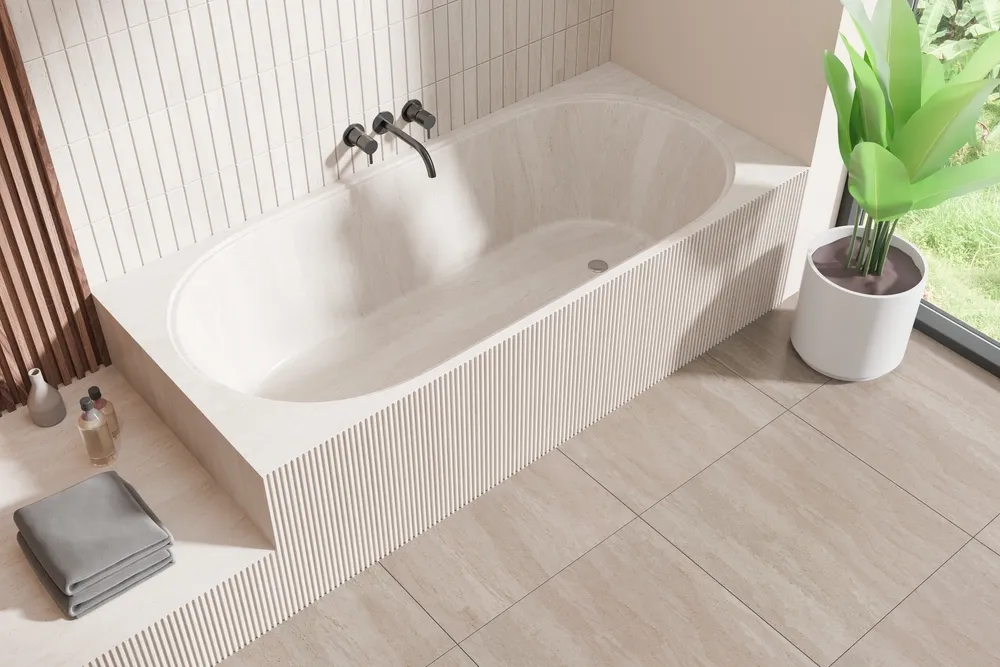
When selecting flooring options for high-moisture bathrooms, durability and water resistance should be top priorities. Bathrooms experience temperature changes and humidity spikes that can damage traditional flooring materials.
Preventing Water Damage And Mold Growth
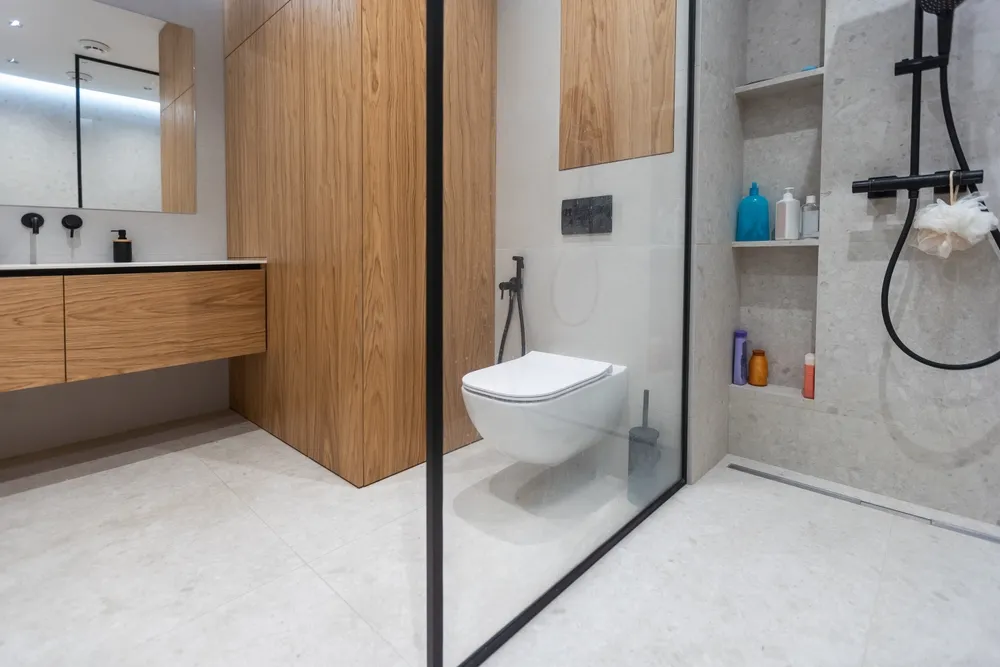
Moisture that seeps beneath flooring can lead to mold, mildew, and structural damage. Properly installed waterproof materials create a protective barrier that prevents water from penetrating subfloors.
Long-Term Cost Savings
Investing in moisture-resistant flooring reduces the likelihood of premature replacement. Choosing the wrong material may save money upfront but often leads to expensive repairs in the future.
Maintaining Safety And Comfort
Bathrooms should be safe and comfortable. Slip-resistant surfaces and materials that remain stable under humidity changes improve overall functionality.
Porcelain And Ceramic Tile For High-Moisture Bathrooms
Porcelain and ceramic tile remain among the most reliable flooring options for high-moisture bathrooms due to their exceptional water resistance and durability.
Why Porcelain Is Highly Water-Resistant
Porcelain tile is denser and less porous than ceramic, making it highly resistant to water absorption. When properly sealed and installed, it creates a nearly waterproof surface ideal for bathrooms.
Design Versatility And Longevity
Tile comes in various colors, textures, and finishes, including styles that mimic wood or natural stone. With proper installation and grout sealing, tile can last decades without deterioration.
Luxury Vinyl Flooring For Moisture-Prone Areas
Luxury vinyl has become one of the fastest-growing flooring options for high-moisture bathrooms because it combines waterproof performance with comfort.
Waterproof Core Technology
Many luxury vinyl planks and tiles feature rigid waterproof cores that resist swelling and warping. This makes them an excellent option for bathrooms exposed to frequent humidity.
Comfort And Warmth Underfoot
Unlike tile, vinyl offers a slightly softer and warmer feel. This makes it comfortable in bathrooms where bare feet are common.
Natural Stone Flooring Considerations
Natural stone can elevate the appearance of a bathroom, but it requires careful maintenance in high-moisture environments.
Sealing Requirements
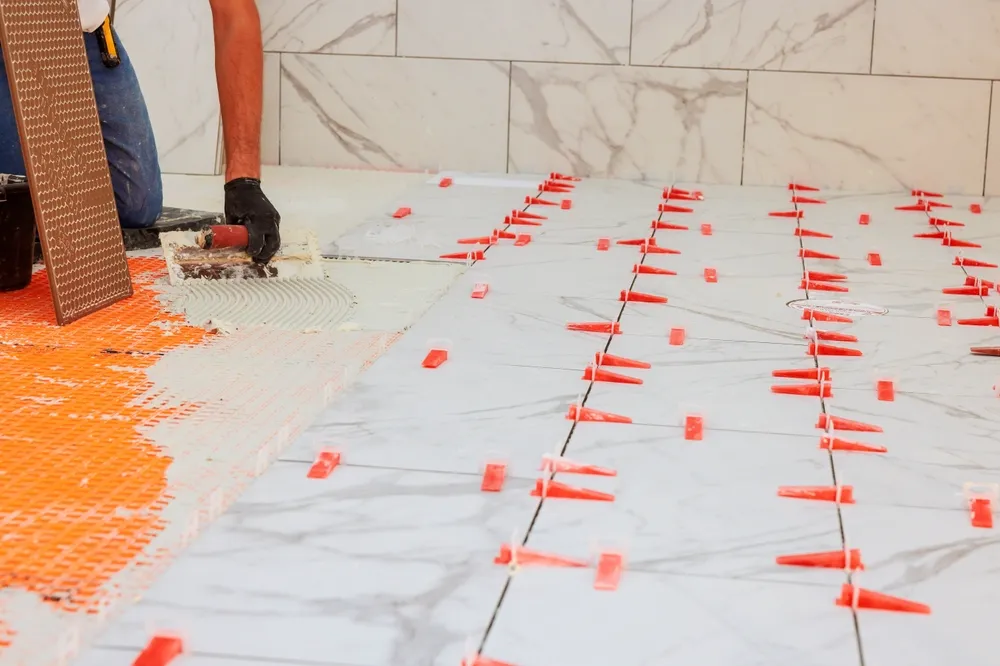
Stone materials such as marble and travertine are porous and must be sealed properly to resist water absorption. Regular resealing is necessary to maintain protection.
Slip Resistance And Texture
Textured finishes improve slip resistance, which is important in wet areas. Polished stone may look elegant but can become slippery when wet.
Engineered Wood And Laminate: Are They Suitable?
Many homeowners ask whether wood-look floors can work as flooring options for high-moisture bathrooms. The answer depends on material quality and exposure level.
Engineered Wood With Proper Protection
Engineered wood offers greater moisture resistance than solid hardwood but is still vulnerable to standing water. It may be better suited for powder rooms than full bathrooms.
Waterproof Laminate Options
Some newer laminate products offer water-resistant cores. However, long-term performance depends heavily on installation quality and seam protection.
Two Additional Flooring Options Often Overlooked
Beyond traditional materials, two additional options deserve consideration when evaluating flooring options for high-moisture bathrooms.
Sheet Vinyl For Seamless Protection
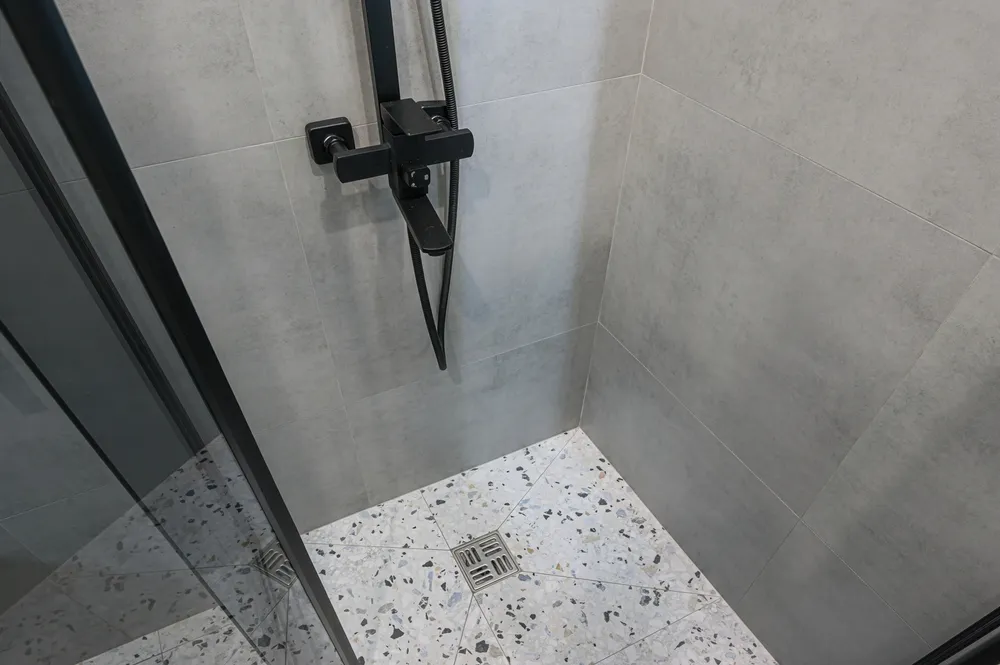
Sheet vinyl provides minimal seams, reducing opportunities for water infiltration. Proper installation creates a continuous moisture barrier.
Concrete Flooring With Sealed Finish
In modern designs, sealed concrete can serve as a durable, water-resistant option. When treated with proper sealants, it resists moisture and offers contemporary appeal.
Installation Factors That Impact Moisture Resistance
Even the best flooring options for high-moisture bathrooms can fail if installation is not handled correctly.
Proper Subfloor Preparation
Subfloors must be dry, level, and free of existing damage before installation. Ignoring subfloor conditions can lead to hidden moisture problems.
Waterproof Underlayment And Sealing
Using appropriate underlayment and sealing edges prevents water from penetrating below the surface. Professional installation significantly improves durability.
Maintenance Tips For Long-Term Performance
Maintaining your chosen flooring options for high-moisture bathrooms ensures they remain durable and attractive for years.
Regular Cleaning Without Harsh Chemicals
Gentle cleaning products prevent surface damage while keeping floors hygienic. Avoid overly abrasive cleaners that may wear protective finishes.
Promptly Addressing Leaks And Spills
Even waterproof materials benefit from quick cleanup of standing water to prevent long-term damage to surrounding areas.
FAQ