Do You Need Permits to Remodel a Bathroom?
If you’re planning a bathroom upgrade, one of the first questions to ask is: do you need permits to remodel a bathroom? The short answer is that it depends on what you’re changing, because permits are usually triggered by work that affects plumbing, electrical, ventilation, structure, or safety. Cosmetic upgrades often don’t require permits, but once you move fixtures, add circuits, or open walls, permits become much more likely.
This guide breaks down what typically requires a permit, what usually doesn’t, how the permit process works, and how to avoid expensive mistakes that can delay your project or create issues when you sell your home.
Contents
- 1 Why Permits Matter for Bathroom Remodels
- 2 Bathroom Remodel Work That Usually Requires Permits
- 3 Bathroom Updates That Often Do Not Require Permits
- 4 How to Tell If Your Bathroom Remodel Needs a Permit
- 5 Permit Costs, Timelines, and Inspections
- 6 Two Additions Homeowners Often Miss
- 7 What Happens If You Remodel Without Permits
- 8 FAQ
- 8.1 Do You Need Permits to Remodel a Bathroom If You’re Only Replacing the Vanity?
- 8.2 Do You Need Permits to Remodel a Bathroom If You Move the Toilet or Shower?
- 8.3 How Long Does It Take to Get Bathroom Remodel Permits?
- 8.4 Can a Homeowner Pull the Permit Instead of a Contractor?
- 8.5 What If a Previous Owner Remodeled Without Permits?
- 9 Conclusion
Why Permits Matter for Bathroom Remodels
Before you decide whether do you need permits to remodel a bathroom applies to your project, it helps to understand what permits are meant to do.

Permits aren’t just paperwork, they’re a safety and code-compliance checkpoint that protects your home, your investment, and the people living in it.
Safety, Code Compliance, and Liability
A permit helps ensure critical work is performed to current building codes, especially where water and electricity overlap. Code compliance reduces risk of leaks inside walls, electrical hazards, mold from improper ventilation, and structural problems. If something goes wrong later, having permitted work can also reduce disputes with insurers and buyers.
Resale Value and Future Inspections
Unpermitted remodeling can become a problem during a sale because buyers, appraisers, and inspectors may flag changes that look non-compliant. When people ask do you need permits to remodel a bathroom, one of the biggest “hidden” reasons is to avoid paying twice later, once for the remodel and again to correct or legalize work.
Protecting Your Warranty and Contractor Accountability
Permitted jobs typically include inspections and documentation, which creates a clearer record of what was done and how. That accountability can help homeowners ensure contractors deliver professional work and can help resolve issues if anything needs follow-up.
Bathroom Remodel Work That Usually Requires Permits
To answer do you need permits to remodel a bathroom accurately, you need to look at the scope. Most jurisdictions require permits when you change systems behind the walls or modify the room’s structure or safety features.
Plumbing Changes and Moving Fixtures
If you’re relocating a toilet, shower, tub, or sink, permits are commonly required because drain lines, venting, and water supply lines are being modified. Even replacing a tub with a shower can trigger permitting if the plumbing layout or valve placement changes inside the wall.
Electrical Upgrades, New Circuits, and Lighting Changes
Bathrooms have strict safety rules for outlets, lighting placement, and GFCI protection. Adding a new outlet, installing heated floors, upgrading a fan, or running a new circuit often requires an electrical permit. If you’re opening walls and touching wiring, it’s a strong sign that do you need permits to remodel a bathroom is “yes.”
Structural Changes and Layout Alterations
Removing or moving walls, changing door sizes, altering windows, or modifying framing typically requires permits. Even small structural updates can have ripple effects on load paths and moisture protection, especially in older homes.
Ventilation and Exhaust Fan Installations
Ventilation is a health and moisture-control issue, and many areas require permits for new or relocated exhaust fans, especially if ducting is added or rerouted through walls or ceilings. Improper venting can cause mold and moisture damage that is expensive to fix.
Bathroom Updates That Often Do Not Require Permits
Homeowners ask do you need permits to remodel a bathroom because they want to know what they can do quickly without red tape.
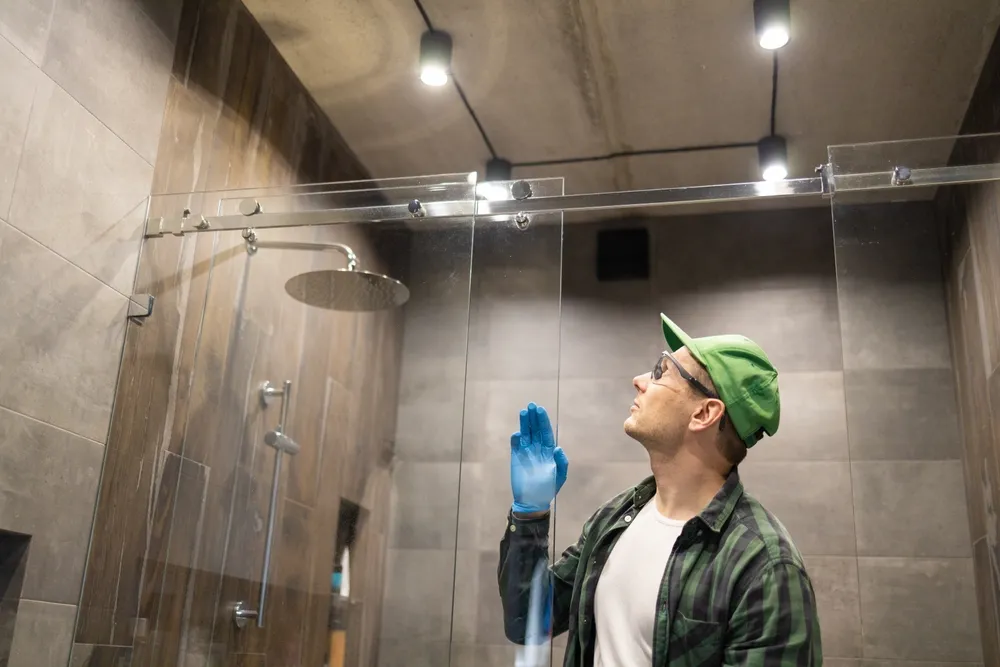
In many places, purely cosmetic work that doesn’t alter systems may not require a permit, but local rules still vary.
Cosmetic Finishes Like Paint, Trim, and Hardware
Painting, updating towel bars, swapping mirrors, and installing simple accessories typically do not require permits. These changes are surface-level and don’t impact plumbing, electrical, or structure.
Replacing Fixtures Without Changing Locations
In some jurisdictions, swapping a vanity, faucet, or toilet “like for like” without moving plumbing may not require a permit, especially if shutoffs and lines remain in place. However, if the replacement requires opening walls or changing the drain or vent configuration, permitting becomes more likely.
Flooring and Tile in Many Cases
Replacing tile or flooring often doesn’t require a permit if you’re not changing waterproofing systems or modifying the subfloor structure. If you’re converting to a fully waterproofed wet-room style shower, or doing extensive waterproofing changes, permits may be required depending on local code enforcement.
How to Tell If Your Bathroom Remodel Needs a Permit
Because rules differ by city and county, do you need permits to remodel a bathroom is best answered by matching your project to common permit triggers and then verifying locally before you start.
The Simple Rule: If You Open Walls, Expect Permits
If your remodel involves opening walls to change plumbing, electrical, insulation, framing, or ventilation, permitting is highly likely. Many homeowners underestimate how quickly a “simple” refresh turns into system work once demolition begins.
Ask Your Local Building Department the Right Questions
Instead of asking a general question, describe exactly what you are changing: whether fixtures move, whether circuits change, whether you’re adding a fan, whether waterproofing methods change, and whether any wall framing is touched. Clear scope details get you a clear answer faster.
Permit Responsibility: Homeowner vs Contractor
In many cases, licensed contractors pull permits and schedule inspections as part of the job. If you’re hiring a remodeler, confirm who is responsible for pulling permits, paying fees, and coordinating inspections, and make sure it’s written into the agreement.
Permit Costs, Timelines, and Inspections
A big part of do you need permits to remodel a bathroom is understanding what happens after you apply.
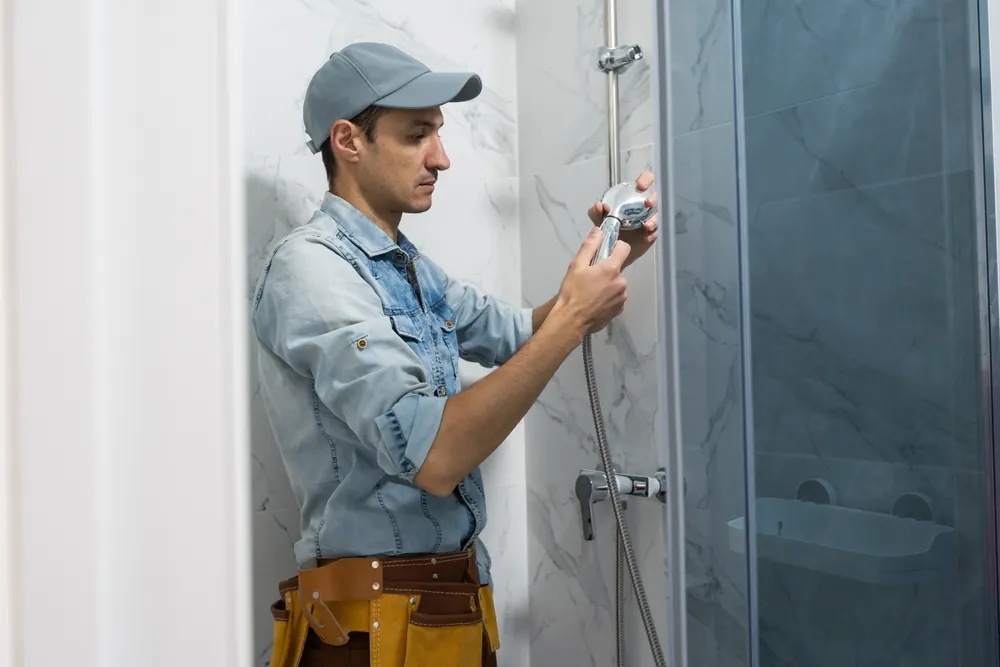
Permitting is usually manageable when planned early, but it can slow a project if it’s treated as an afterthought.
What Permits Typically Cost
Permit costs vary widely by location and by project complexity, but the cost is usually small compared to the overall remodel. The real “cost” is often time and coordination, which is why planning matters.
The Inspection Steps You Should Expect
Bathroom remodel inspections often happen in stages. Rough-in inspections may occur after plumbing and electrical are installed but before walls close. Final inspections typically confirm fixtures, GFCI outlets, ventilation, and finish safety items. Passing inspections protects you long after the remodel is done.
How Permits Affect Project Scheduling
Permits can add lead time before demolition starts, and inspections can create pauses if scheduling isn’t coordinated. The best approach is to build permit and inspection checkpoints into the project timeline so the remodel flows without last-minute delays.
Two Additions Homeowners Often Miss
Even when homeowners understand the basics of do you need permits to remodel a bathroom, there are two overlooked areas that can become costly if ignored: documentation and insurance implications.
Documentation and Proof for Future Buyers
Keep copies of permits, inspection approvals, and basic scope documentation. If you ever sell the home, these documents can reduce buyer hesitation and speed up closing questions. Good records also help if you remodel again and need to reference what is behind the walls.
How Permits Can Impact Insurance and Claims
If a water leak or electrical issue occurs and an insurer finds major unpermitted work, it can complicate a claim. Permitted work doesn’t guarantee coverage, but it reduces the chance of disputes about whether work was performed safely and professionally.
What Happens If You Remodel Without Permits
Homeowners sometimes skip permits to save time, but do you need permits to remodel a bathroom becomes a bigger question later when problems show up. The risks aren’t only legal, they’re financial and practical.

Potential Fines, Stop-Work Orders, and Redo Costs
If unpermitted work is discovered, you may face fines or be required to open finished walls for inspection. In worst cases, you may have to redo work to meet code, which can cost far more than permitting would have.
Problems When Selling or Refinancing
Unpermitted improvements may be flagged during inspections, appraisals, or buyer due diligence. Buyers may request credits, require legalization, or walk away if they suspect hidden issues.
Safety Risks That Show Up Slowly
Bathroom problems often develop over time. Improper waterproofing can rot subfloors, poor ventilation can lead to mold, and incorrect electrical can create hazards. Permits and inspections help catch these issues before they become expensive repairs.
FAQ