How to Repair Bathroom Exhaust Fan | A Beginner’s Guide
If your bath fan is noisy, weak, or has stopped working completely, learning how to repair bathroom exhaust fan problems can help you decide whether a quick DIY fix will solve it or if it’s time for a replacement. A working fan is essential for clearing steam, preventing mold, and protecting paint and drywall from moisture damage.
With a few basic tools and a systematic approach, you can often restore performance by cleaning, tightening, and checking a handful of simple components. This guide walks you through the main steps and also explains when it’s safer and smarter to bring in a professional.
Contents
- 1 Recognizing When a Bathroom Fan Needs Repair
- 2 Putting Safety First Before You Start Any Fan Repair
- 3 Cleaning and Basic Maintenance as the First Repair Step
- 4 Checking Electrical and Mechanical Components
- 5 Looking Beyond the Fan: Ductwork and Vent Issues
- 6 When Repair Is Enough and When Replacement Makes More Sense
- 7 Preventive Maintenance to Avoid Future Fan Problems
- 8 FAQs About Repairing a Bathroom Exhaust Fan
- 9 Conclusion and Call to Action
Recognizing When a Bathroom Fan Needs Repair
Before you start on how to repair bathroom exhaust fan issues, it helps to understand what the fan is doing wrong. Different symptoms point to different causes, which saves you time and effort when you begin troubleshooting.
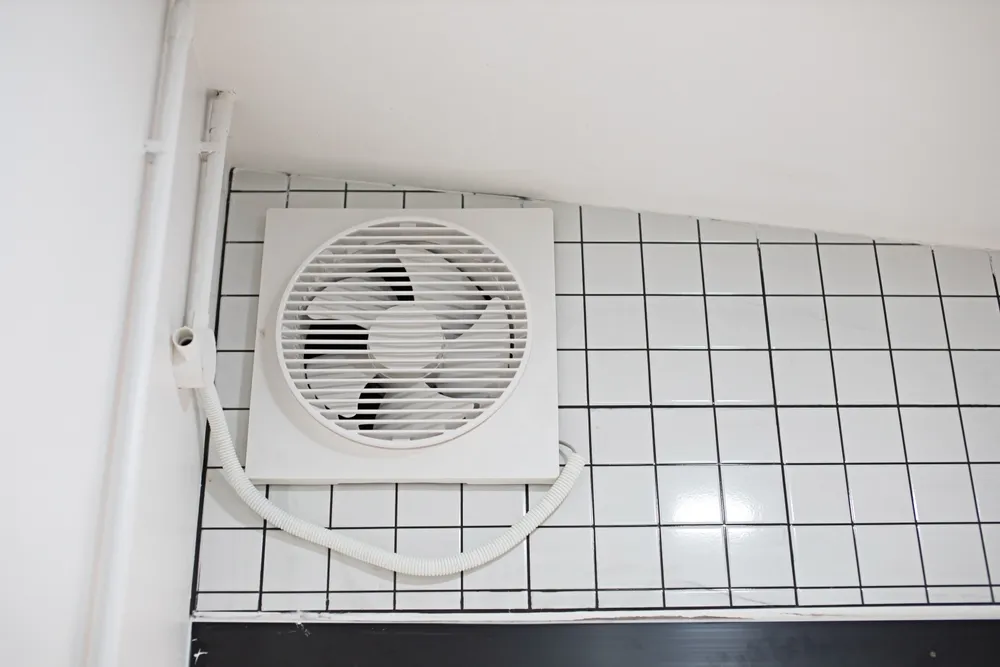
By paying close attention to noise level, airflow, and how well the fan actually clears humidity after a shower, you can quickly narrow down where to focus your repair efforts.
Common Warning Signs to Watch For
One of the clearest signs that something is wrong is a fan that’s getting louder over time. Rattling, grinding, or buzzing usually means something is loose, dirty, or starting to fail. A fan that hums but doesn’t spin suggests the motor or fan wheel is stuck.
You might also notice that your mirrors stay fogged for a long time, paint is peeling, or mildew appears on ceilings and corners. Even if the fan makes noise, these signs mean it isn’t moving enough air and needs attention.
Why a Functional Fan Matters for Your Bathroom
A working bath fan protects more than just your comfort. Without proper ventilation, moisture lingers on surfaces, soaking into drywall, trim, and grout. Over time, that can lead to staining, warped materials, and mold growth.
Repairing or updating the fan helps control humidity, extend the life of finishes, and keep the room healthier, especially in bathrooms that get heavy daily use.
Putting Safety First Before You Start Any Fan Repair
Any time you work on wiring or ceiling fixtures, especially when figuring out how to repair bathroom exhaust fan problems, safety needs to come first. Fans are electrical devices sitting overhead in a damp room, so a careful approach is non-negotiable.
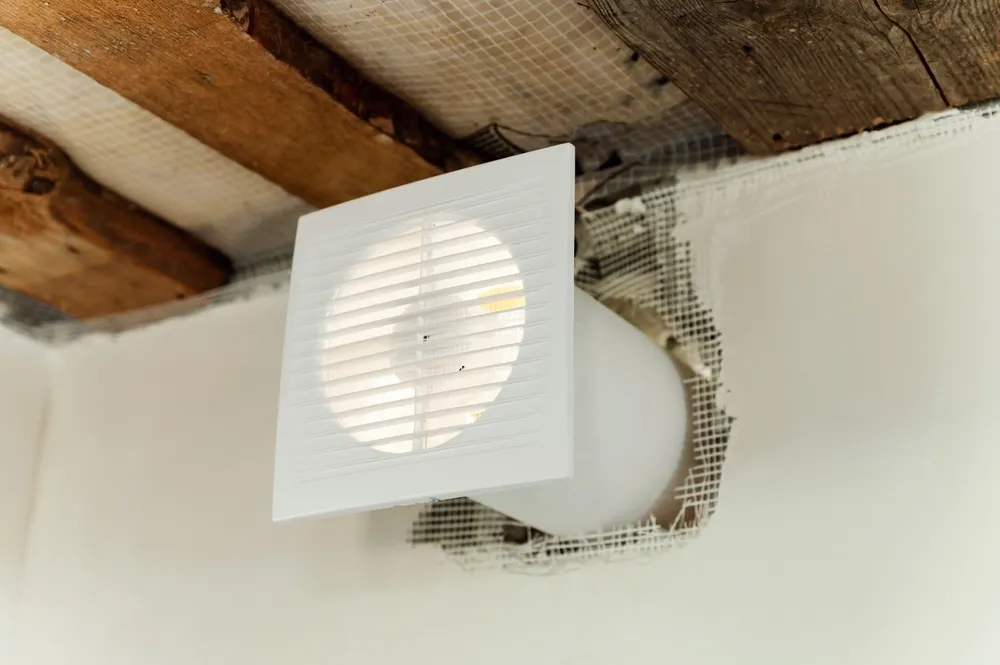
A few simple precautions before you touch anything will dramatically reduce risks and make the whole process feel more manageable.
Shutting Off Power at the Breaker
The most important safety step is to shut off power to the fan at the electrical panel. Flip the breaker that controls the bathroom and then try the wall switch to confirm the fan no longer runs.
If you have a non-contact voltage tester, use it near the fan housing or at the wall switch to double-check that the circuit is actually off. Only after confirming this should you remove the cover or access any wiring.
Tools and Protection You’ll Want on Hand
Having the right tools ready makes the job smoother. A small step stool or ladder, a flashlight, and a Phillips screwdriver are usually enough to open most fan housings. A vacuum with a brush attachment helps with cleaning.
Safety glasses keep dust out of your eyes while you look up into the housing, and light gloves protect your hands from sharp metal edges. This basic kit covers most simple inspection and cleaning tasks.
Cleaning and Basic Maintenance as the First Repair Step
In many cases, the first and most effective part of how to repair bathroom exhaust fan performance is simply cleaning it. Dust and lint can build up on the grille, blades, and motor, reducing airflow and making the fan sound much louder.
A thorough cleaning often restores quiet operation and better ventilation without replacing any parts.
Removing and Washing the Fan Cover
Start by gently pulling down the fan cover. Most covers are held in by spring clips; squeeze the clips together to release them from the housing. Once removed, you’ll usually see a layer of dust and lint on the grille.
Vacuum the cover first, then wash it in warm, soapy water if it’s especially grimy. Make sure it’s completely dry before you reinstall it so you don’t introduce extra moisture into the housing.
Vacuuming the Fan Interior and Blades
With the cover off, use a vacuum with a brush attachment to clean visible dust from the fan blades, motor, and surrounding housing. Move slowly and avoid bending any parts.
For stubborn dirt, a slightly damp cloth can help, but don’t soak anything and keep moisture away from wiring. A few minutes of careful cleaning can dramatically improve airflow and reduce noise.
Checking Electrical and Mechanical Components
If cleaning doesn’t solve the problem, the next stage in how to repair bathroom exhaust fan issues is a closer look at electrical and mechanical parts.
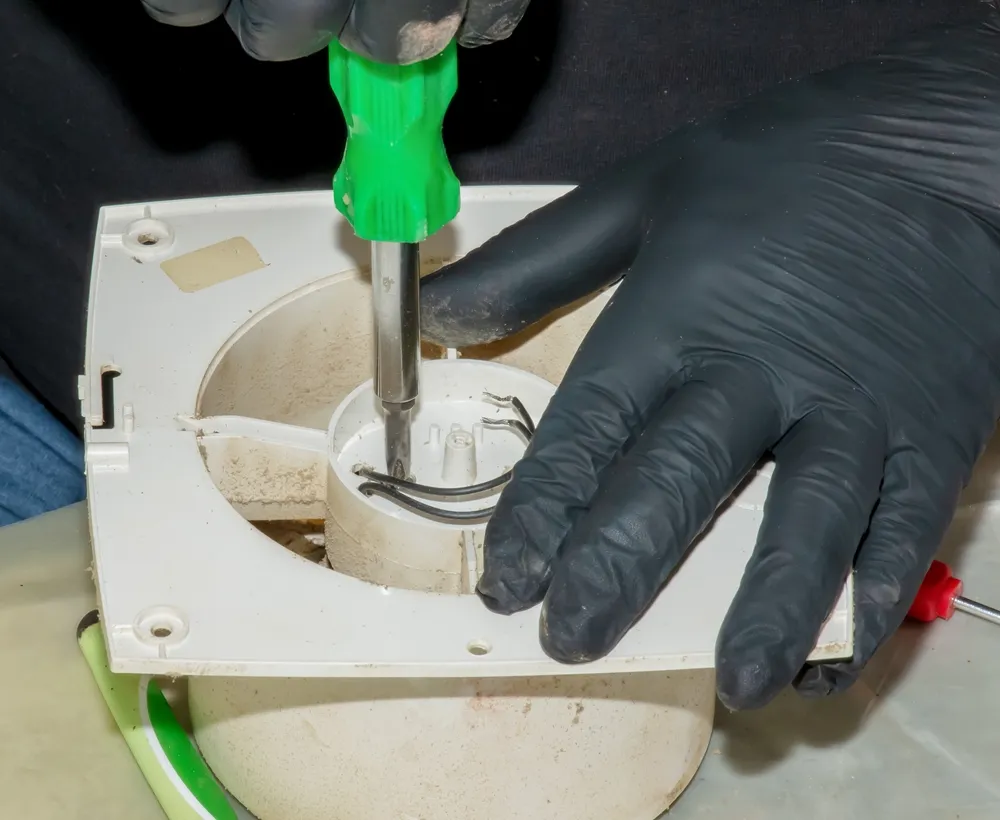
This helps you decide whether there’s a simple fix or if the fan is reaching the end of its life.
At this point, the power should still be off at the breaker to keep everything safe while you inspect.
Inspecting the Wall Switch and Wiring Connections
Sometimes the issue isn’t the fan itself but the switch or wiring feeding it. Remove the switch cover and ensure wires are firmly attached and not burned or brittle. A worn-out switch can often be replaced with a compatible new one.
At the fan housing, open the small junction box and check that wire nuts are tight and insulation is intact. Any signs of charring, melted plastic, or loose connections are signals to stop and consider calling a licensed electrician.
Evaluating the Motor and Fan Wheel
If the wiring looks fine, focus on the moving parts. Try spinning the fan wheel gently by hand. If it’s stiff, wobbly, or doesn’t move freely, the motor or shaft could be failing.
Some older motors can be lubricated, but many modern units are sealed and not meant for major servicing. If the motor has a burnt smell, won’t start even with power restored, or remains very loud after cleaning, replacement of the motor or entire fan is often the best solution.
Looking Beyond the Fan: Ductwork and Vent Issues
Sometimes, the key to how to repair bathroom exhaust fan performance lies outside the fan housing. Even a strong fan can seem weak if the ductwork or exterior vent is restricted.
By checking the path the air travels once it leaves the fan, you can rule out blockages and design issues that reduce effectiveness.
Inspecting Interior Duct Runs
If you can access the duct from an attic or crawl space, check for sharp bends, crushed sections, or sagging flexible duct. Long, winding runs make it harder for the fan to push moist air out.
Securing the duct, straightening major kinks, and shortening excessively long runs (when possible) can make a noticeable difference in how quickly steam clears after a shower.
Checking the Exterior Vent Hood
Outside the home, locate the vent where bathroom air exits. Make sure the flap opens freely when the fan is on and that screens or covers are not clogged with lint or debris.
A stuck flap or blocked opening forces air back into the duct, which can reduce performance and cause condensation in the ductwork, leading to future problems.
When Repair Is Enough and When Replacement Makes More Sense
As you work through how to repair bathroom exhaust fan problems, you may reach a crossroads: continue fixing or replace the unit.
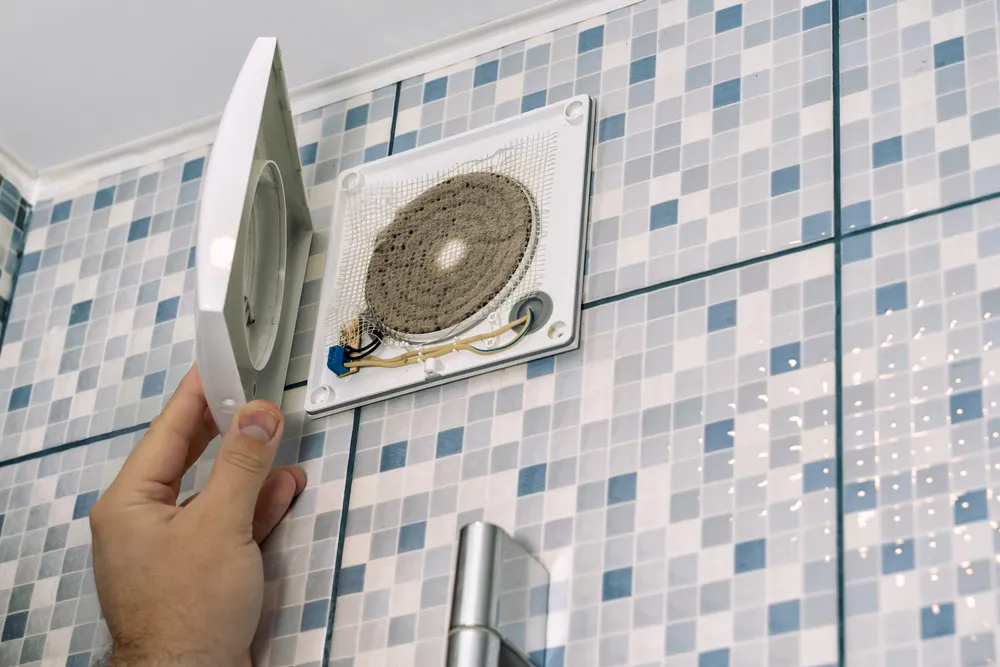
The right choice depends on the fan’s age, performance, and the extent of the issues you find.
Sometimes a moderate investment in a new fan is smarter than repeated small repairs on an outdated, inefficient model.
Signs the Fan Is at the End of Its Life
If the fan is more than a decade old, very noisy even after cleaning, or still fails to move moisture effectively, it may be nearing the end of its useful life. Repeated motor issues or visible damage to the housing are other strong clues.
At that point, replacing the fan can solve several problems at once—noise, power, and efficiency—rather than chasing minor repairs every year.
Benefits of Upgrading to a Modern Bath Fan
Newer fans are designed to be quieter and more energy efficient, and many include features like built-in lights, timers, or humidity sensors that automatically turn the fan on and off.
Upgrading gives you better moisture control, a cleaner look, and a more comfortable bathroom overall. It’s a natural next step when repairs are no longer delivering the results you need.
Preventive Maintenance to Avoid Future Fan Problems
Once you’ve gone through how to repair bathroom exhaust fan issues, a simple maintenance routine can help keep things working smoothly for years.
Small, consistent actions are usually enough to prevent dust buildup, noise, and premature motor failure.
Setting a Simple Cleaning Routine
Adding fan cleaning to your regular home maintenance checklist is easy. Every few months, remove the cover, vacuum the grille and fan interior, and make sure the wheel spins freely.
These quick checkups catch small issues early and prevent dust from building up to the point where it affects performance.
Using the Fan Correctly to Control Moisture
Good usage habits are just as important as understanding how to repair bathroom exhaust fan problems. Turn the fan on before you start a shower and leave it running for 15–20 minutes afterward to clear humidity.
This simple routine helps protect paint, grout, and drywall, and it gives the fan the best chance to do its job effectively.
FAQs About Repairing a Bathroom Exhaust Fan
Because many homeowners have the same questions when they start learning how to repair bathroom exhaust fan problems, here are some quick answers.