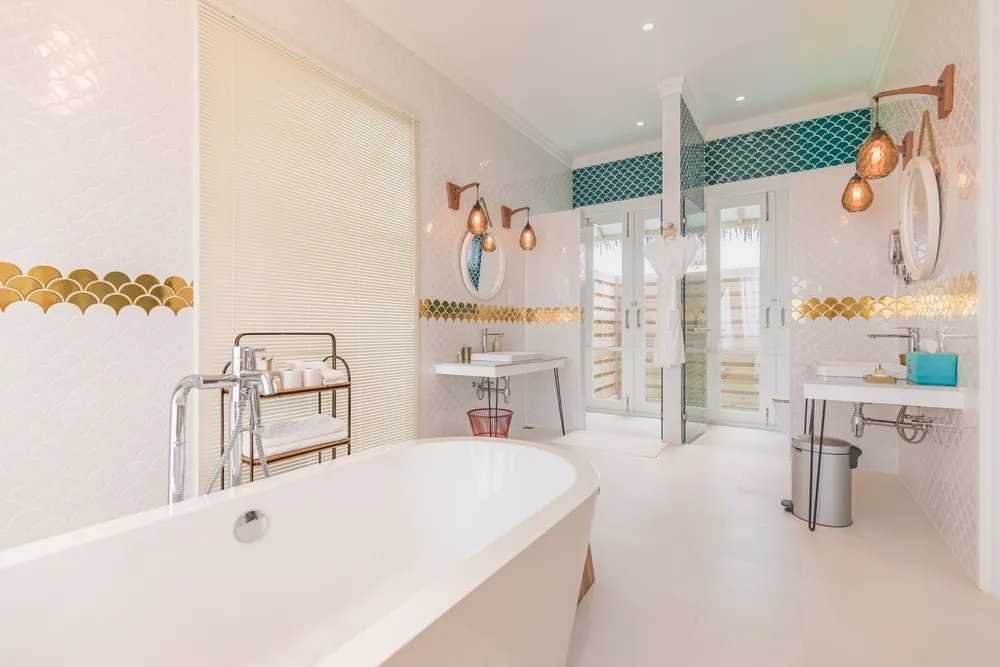
What is the Average Cost of a Walk-In Tub Installed?
When homeowners start asking what is the average cost of a walk-in tub installed, they’re usually balancing two priorities: long-term safety and comfort versus the immediate impact on their remodeling budget. In most U.S. homes, you can expect the total investment for a walk-in tub plus professional installation to fall somewhere between the mid-$7,000s and $15,000+, depending on the tub you choose and how much work your bathroom needs. Some projects land below or above that range, but it’s a realistic starting point for planning.
Below, we’ll break down the factors that drive price, common cost ranges, hidden line items, and how to choose a contractor so you can make a confident decision instead of guessing at what is the average cost of a walk-in tub installed for your situation.
Contents
- 1 Key Factors That Affect the Cost of a Walk-In Tub Installation
- 2 Typical Price Ranges: Budget, Mid-Range, and High-End Walk-In Tubs
- 3 Hidden Costs Homeowners Often Overlook
- 4 Ways to Control the Cost Without Sacrificing Quality
- 5 How to Choose the Right Contractor for a Walk-In Tub Project
- 6 FAQs About the Average Cost of a Walk-In Tub Installed
- 6.1 What is the average cost of a walk-in tub installed in a typical home?
- 6.2 Why do quotes for walk-in tub installations vary so much?
- 6.3 Does insurance or Medicare usually pay for a walk-in tub?
- 6.4 How long does a walk-in tub installation usually take?
- 6.5 Is a walk-in tub a good investment for resale value?
- 7 Conclusion
Key Factors That Affect the Cost of a Walk-In Tub Installation
Before you can pin down what is the average cost of a walk-in tub installed in your home, you need to understand what actually drives the price. Two homes on the same street may pay very different amounts because of the products they choose and the conditions behind the walls.
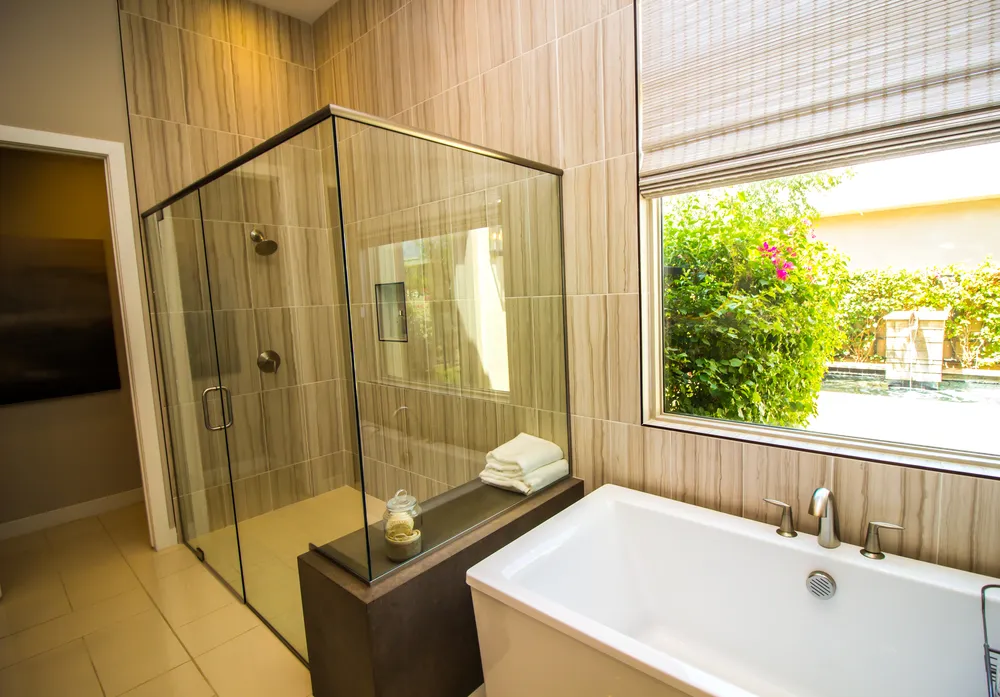
Tub Style, Size, and Therapeutic Features
The biggest driver in the overall cost of a walk-in tub installation is the tub itself. A basic soaker walk-in tub with a door and built-in seat is on the lower end of the spectrum, while hydrotherapy and air-jet models land far higher. If you’re asking what is the average cost of a walk-in tub installed with massage jets, chromotherapy lighting, heated backrests, or fast-drain systems, you should expect that average to climb because these features require more complex manufacturing and more time to hook up correctly.
Size also matters. Compact models designed for tight bathrooms typically cost less in materials but may demand more labor to squeeze into small, older spaces. Oversized, deep tubs with extra room or bariatric support cost more in both materials and installation because they are heavier and sometimes require floor reinforcement. Every added feature or inch of tub adds something to your final bill.
Bathroom Layout, Plumbing, and Electrical Conditions
Even if you buy the same tub as your neighbor, your bathroom’s layout and infrastructure can push what is the average cost of a walk-in tub installed up or down. If your existing tub is already in a good location with modern plumbing, the installer may be able to tie into the current drain and water lines with minimal disruption. That kind of straightforward swap usually keeps labor costs more predictable.
On the other hand, older homes or tricky layouts—like moving the tub to a different wall, dealing with corroded pipes, adding dedicated electrical circuits for pumps and heaters, or correcting code violations—will increase labor hours and materials. When you’re comparing estimates, remember that the “average” cost assumes relatively typical conditions; once a contractor opens the walls, surprises can change that picture.
Typical Price Ranges: Budget, Mid-Range, and High-End Walk-In Tubs
Once you understand the factors behind pricing, it’s easier to interpret what is the average cost of a walk-in tub installed in real-world terms. Instead of one single number, it’s more helpful to think in tiers.
Entry-Level Walk-In Tub Installations
At the lower end, basic soaker walk-in tubs, installed in a bathroom with decent existing plumbing and no major surprises, often land in the ballpark of roughly $5,000–$8,000 total. That range includes a modestly priced tub and professional installation, but usually without advanced hydrotherapy or luxury upgrades. If you’re wondering what is the average cost of a walk-in tub installed for someone simply trying to improve safety and accessibility on a budget, this is where many projects start.
These entry-level installations generally focus on essentials: a leak-proof door, built-in seat, grab bars, and non-slip floor. You may not get all the spa-like features, but you do get the main benefits of safer bathing, especially for older adults or anyone with mobility challenges.
Mid-Range and Premium Walk-In Tub Installations
For homeowners who want hydrotherapy jets, air-bubbling systems, heated surfaces, or upgraded faucet packages, the answer to what is the average cost of a walk-in tub installed shifts upward. Mid-range projects commonly run in the $8,000–$12,000 range, while premium installations that include top-tier tubs plus extra electrical work, tile, or custom finishes can easily reach $12,000–$18,000 or more.
In these tiers, you’re often investing in faster fill and drain times, multiple massage zones, quieter pumps, better warranties, and aesthetics that match a high-end bath remodel. The tub becomes both a therapeutic tool and a centerpiece of your bathroom, and that added performance is reflected in the overall cost.
Hidden Costs Homeowners Often Overlook
When people first research what is the average cost of a walk-in tub installed, they tend to focus on the tub price and a rough labor estimate. However, there are smaller line items and hidden costs that can surprise you if they’re not addressed early in the planning.
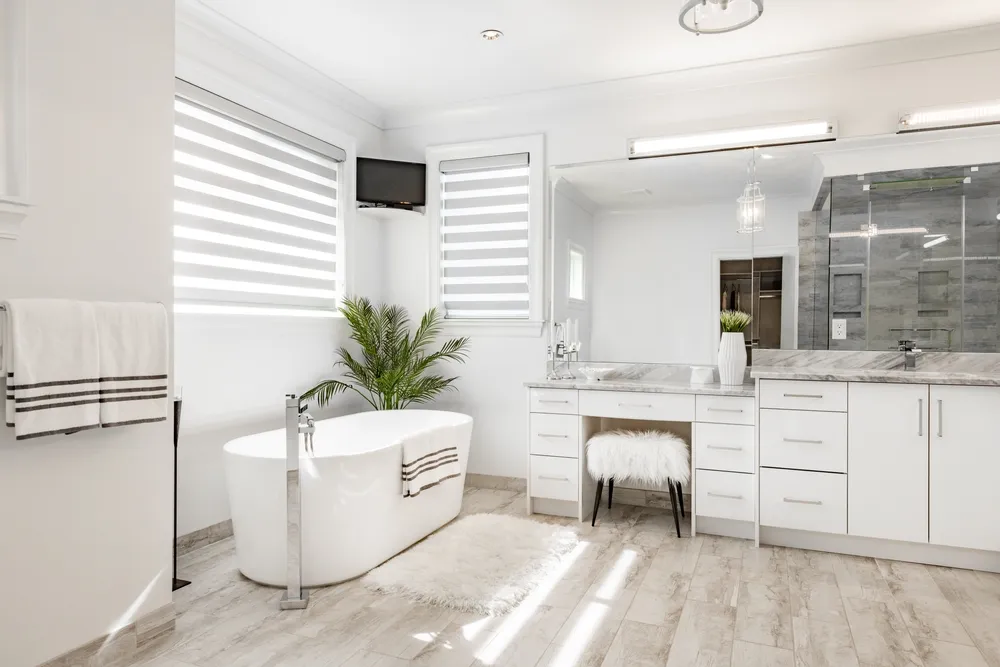
Structural Work, Permits, and Code Upgrades
If your home is older or your new tub is significantly heavier than the original unit, your installer may need to reinforce the floor joists or subfloor. Structural reinforcement adds materials and labor and can nudge the total cost above whatever you thought was the average cost of a walk-in tub installed in a generic scenario. Building permits and required inspections also come with fees that vary by city or county.
In some bathrooms, bringing plumbing or electrical up to the current building code is non-negotiable. That could mean upgrading wiring gauge, adding GFCI protection, or replacing very old pipes. These upgrades improve safety and reliability, but they do add to the bottom line.
Wall Repairs, Finishes, and Disposal Fees
Demolition isn’t free, and neither is putting your bathroom back together. After the old tub comes out, installers often need to repair or replace wall surfaces around the new unit, add waterproof panels or tile, and repaint adjacent areas. If you’re asking what is the average cost of a walk-in tub installed and only looking at the tub and plumbing, you might forget that finishes can be a meaningful part of the total budget.
You may also see charges for hauling away and disposing of the old tub and any debris. Individually these fees can seem small, but together they help explain why your project’s final invoice may be higher than a simple “average cost” search might have led you to expect.
Ways to Control the Cost Without Sacrificing Quality
Just because you’re trying to understand what is the average cost of a walk-in tub installed doesn’t mean you’re locked into that number. Smart decisions about products and planning can help keep your budget in check without cutting corners on safety or reliability.
Choosing the Right Features for Your Needs (Not Just for Show)
It’s easy to be tempted by every bell and whistle, but not every homeowner needs a fully loaded tub. If your primary goal is safe, independent bathing, you might skip features you’re unlikely to use and focus your what is the average cost of a walk-in tub installed budget on a solid, well-built soaker with a few carefully chosen upgrades.
Discuss your lifestyle and health needs with your contractor: do you truly need multiple jet zones, or would a simpler model with a comfortable seat and an easy-to-use door handle be enough? Customizing around your real needs keeps you from overspending on features that sound great in a brochure but don’t matter day to day.
Scheduling, Bundling, and Reusing Where It Makes Sense
Sometimes the answer to what is the average cost of a walk-in tub installed can be improved by looking at the bigger picture of your remodeling plans. If you’re already doing other bathroom upgrades—new flooring, vanity, or lighting—bundling the work may be more efficient than doing everything as separate jobs. You can share demolition and cleanup costs and limit how many times crews have to mobilize to your home.
In some cases, you can also reuse portions of your existing finishes, such as keeping part of an intact tile wall or working with current plumbing locations. A good contractor will be honest about where reuse is smart and where it might compromise performance or code compliance.
How to Choose the Right Contractor for a Walk-In Tub Project
Another piece of the puzzle when you ask what is the average cost of a walk-in tub installed is who you hire. The cheapest bid is not always the best value if it cuts corners on waterproofing, structural work, or safety.
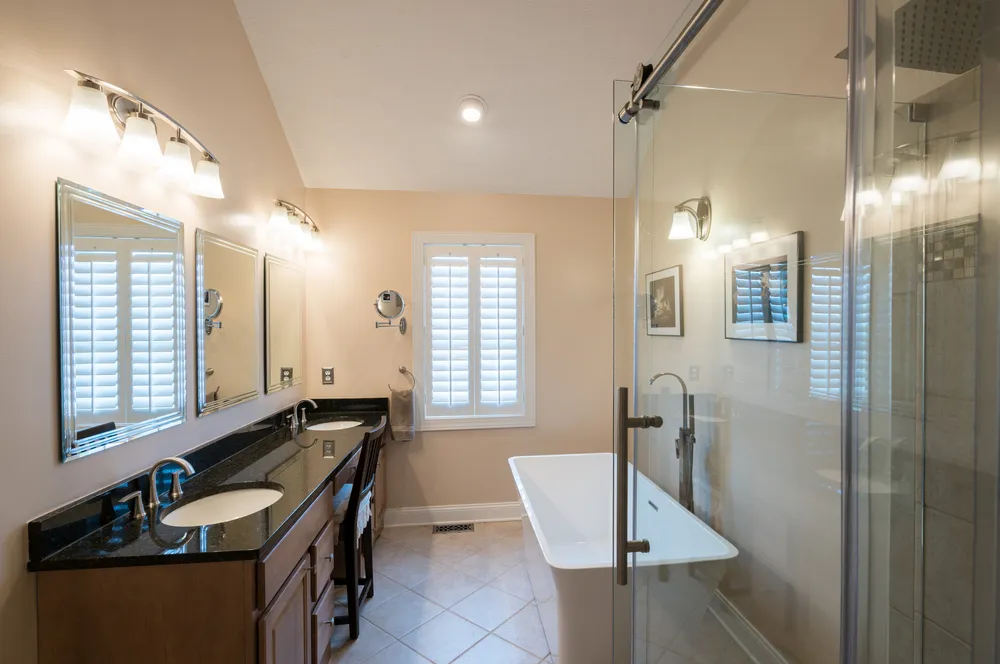
Credentials, Experience, and Transparent Estimates
Look for a licensed, insured remodeling contractor or plumber who has specific experience installing walk-in tubs—not just standard tubs or showers. When you’re evaluating what is the average cost of a walk-in tub installed based on your quotes, pay close attention to how detailed the estimates are. A trustworthy professional will spell out what is included (tub model, plumbing, electrical, finishes, permits) and what might cost extra if discovered during the job.
Ask for references or project photos and look for reviews that mention communication, cleanliness, and how the contractor handled any surprises. A slightly higher bid from someone with excellent reviews can be a better long-term decision than a low number from a company you know very little about.
Red Flags and Questions to Ask Before You Sign
If a contractor dismisses your questions about what is the average cost of a walk-in tub installed in your area, refuses to put details in writing, or pressures you to sign immediately, consider that a red flag. Before you commit, ask:
- How many walk-in tub installations have you completed?
- Do your quotes include permits, disposal, and wall repairs?
- What kind of warranty do you provide on labor, and what does the tub manufacturer cover?
Clear, patient answers are a good sign that the company will be equally professional once the work starts.
FAQs About the Average Cost of a Walk-In Tub Installed

UKB
Unique Kitchen & baths is a family-owned business that is committed to providing high-quality kitchen and bathroom remodeling, as well as flooring installations at affordable prices.