Can You Paint Laminate Countertops?
Can you paint laminate countertops? Yes, many laminate countertops can be painted or resurfaced when the existing surface is structurally sound and properly prepared. Painting can be an affordable way to refresh an outdated kitchen or bathroom without immediately replacing the countertop.
The quality of the result depends heavily on the condition of the laminate, the coating system you choose, surface preparation, application technique, curing time, and how the countertop is treated afterward. Countertops experience water, grease, cleaning products, hot cookware, dishes, and everyday abrasion, so ordinary wall paint is not the right choice for most projects.
If your counters are already badly swollen, separating, cracked, burned, or damaged around the sink, however, refinishing may only hide a problem temporarily. In those cases, professional replacement may provide better long-term value.
Contents
- 1 Why Painting Laminate Countertops Can Work
- 2 When Should You Paint Laminate Countertops?
- 3 How to Prepare Laminate Countertops for Painting
- 4 How to Paint Laminate Countertops Step by Step
- 5 What Type of Paint Should You Use on Laminate Countertops?
- 6 How Durable Are Painted Laminate Countertops?
- 7 How to Make Painted Laminate Countertops Look More Professional
- 8 Painted Laminate vs. New Countertops
- 9 Two Additional Factors to Consider Before Painting
- 10 FAQ
- 10.1 Can You Paint Laminate Countertops Without Sanding?
- 10.2 What Kind of Paint Will Stick to Laminate Countertops?
- 10.3 Do You Need to Prime Laminate Countertops Before Painting?
- 10.4 How Long Do Painted Laminate Countertops Last?
- 10.5 Can You Put Hot Pans on Painted Laminate Countertops?
- 10.6 Can You Paint Laminate Around a Kitchen Sink?
- 10.7 Is Painting Laminate Cheaper Than Replacing It?
- 10.8 Should You Paint or Replace Damaged Laminate Countertops?
- 11 Conclusion
Why Painting Laminate Countertops Can Work
The answer to can you paint laminate countertops is largely about adhesion. Laminate has a smooth, nonporous surface, so a successful coating must either chemically bond to the laminate or be applied after the surface has been prepared in the way required by the coating manufacturer.
Modern Countertop Coatings Are Designed for Laminate
Countertop refinishing has come a long way from applying ordinary paint and hoping it holds. Dedicated systems are formulated to bond to surfaces such as laminate and then create a more durable finish with a protective top layer.
Some modern products require sanding and primer, while others are formulated as multi-step systems that do not require those steps. This is why following the instructions for the exact product matters more than following one universal internet method.
Rust-Oleum’s current HOME countertop system, for example, specifically lists laminate among its compatible surfaces and states that its system does not require stripping, sanding, or priming when used according to its instructions.
Painting Is Best for Cosmetic Updates
Painting works best when the laminate is still firmly bonded and the primary problem is appearance. Outdated colors, faded patterns, light surface wear, and a kitchen that simply needs a visual refresh can make good candidates.
Unique Kitchen and Baths also identifies painted laminate countertops as a budget-conscious update in its guide to kitchen countertop ideas on a budget. The key is understanding that resurfacing refreshes the appearance of the existing countertop. It does not give damaged particleboard, loose laminate, or failing seams a new structural foundation.
When Should You Paint Laminate Countertops?
Homeowners asking can you paint laminate countertops should examine the condition of the counter before buying supplies. A countertop that is ugly but solid is a very different project from one that is swollen, cracked, or separating.
Good Candidates for Painting
Painting may make sense when the laminate is firmly attached, relatively flat, dry, and free from major structural damage. Small cosmetic scratches and dated colors are usually easier to work with than deep chips or water damage.
It can also be practical when you are refreshing a home on a limited budget, preparing a room for a larger renovation later, or trying to coordinate older countertops with newly painted cabinets, backsplash tile, or flooring.
A painted countertop can therefore serve as either a deliberate budget design choice or an interim improvement while you save for replacement.
When Replacement Is the Better Choice
Painting should not be expected to repair swollen substrate around a sink, large cracks, loose laminate sheets, severely damaged edges, or extensive burns. The finished coating follows the surface underneath it, so major defects may remain visible or continue getting worse.
If you already plan to replace cabinets, change the sink layout, move appliances, or undertake a full kitchen remodel, investing time into coating an old countertop may not make financial sense.
Homeowners comparing the long-term options can review Unique Kitchen and Baths’ guide to choosing the best material for kitchen countertops, which discusses laminate alongside quartz, granite, marble, butcher block, porcelain, and other materials.
How to Prepare Laminate Countertops for Painting
For many coating systems, preparation is the most important part of can you paint laminate countertops successfully.
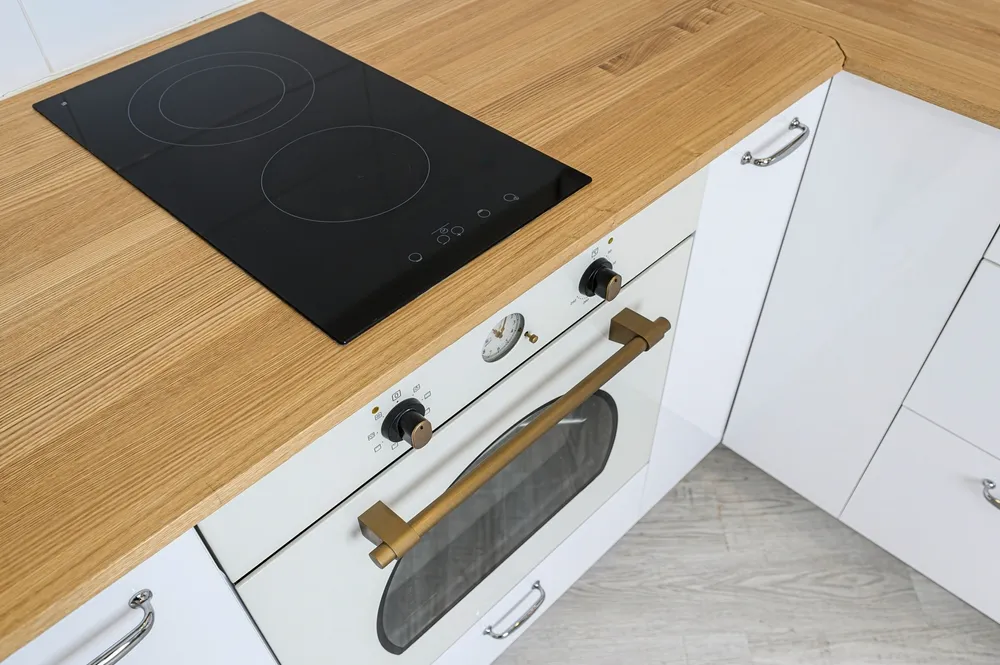
Grease, silicone, dirt, dust, and loose material can prevent coatings from bonding properly, even when the countertop looks clean.
Remove Grease and Surface Contamination
Begin by clearing everything off the countertop and cleaning the entire area thoroughly. Pay particular attention to areas around the cooktop, sink, coffee station, backsplash, and frequently used preparation zones because oils can accumulate there.
Remove old caulk when the project requires it, especially when deteriorated silicone touches the surface being coated. Paint and many coatings do not bond properly to silicone contamination.
Allow the countertop to dry completely before moving to the next step. Moisture trapped beneath a coating can interfere with the finish.
Repair Small Damage Before Coating
Small chips, dents, open seams, and surface imperfections should be addressed with a compatible repair material before painting. The surface should be as smooth as possible because paint will not magically hide every defect.
Once repairs are fully cured, smooth them according to the product instructions and remove all dust. Run your hand across the counter under good lighting because small ridges that are difficult to see before painting may become more noticeable afterward.
Sand Only When Your Coating System Requires It
Many traditional painting methods recommend lightly deglossing laminate before applying a bonding primer. This Old House’s laminate countertop painting guide describes cleaning, preparing, priming, painting, and sealing as part of its refinishing process.
However, not every modern countertop kit requires sanding. Some manufacturers specifically formulate their products for direct application after cleaning. Always follow the current instructions for the coating you purchase instead of combining steps from several incompatible systems.
How to Paint Laminate Countertops Step by Step
Once the surface is ready, can you paint laminate countertops successfully comes down to using compatible materials and allowing enough time between stages. Rushing the process can leave roller marks, weak adhesion, tacky areas, or premature damage.
Protect Cabinets, Walls, Appliances, and Floors
Use painter’s tape and protective coverings around the sink, backsplash, cabinet faces, walls, appliances, and flooring. Painting countertop edges can be awkward, so proper masking gives you more freedom to apply a consistent finish without damaging surrounding surfaces.
Remove items such as outlet covers when appropriate rather than trying to paint around them. Good preparation often makes the final result look much more professional.
Ventilation is also important. Follow the coating manufacturer’s safety instructions and keep the room adequately ventilated during application and curing.
Apply the Required Primer or Base Coat
Some systems use a bonding primer, while others include their own specialized base coat. Apply it evenly with the roller or brush recommended by the manufacturer.
Keep coverage consistent and avoid heavy buildup around inside corners and backsplash transitions. Thick coating can dry differently from the surrounding surface and may create visible texture.
Allow the layer to dry for the full recommended period before adding anything over it. Dry to the touch does not always mean ready for the next coat.
Apply the Decorative Finish
Depending on the system, the finish may be a solid color, stone-look coating, granite-style decorative chips, faux marble pattern, or another effect.
Work systematically so the texture remains consistent. Solid colors tend to show application marks more easily, while stone effects can hide small imperfections. If you want a faux marble appearance, keep veining restrained rather than covering every part of the countertop.
The goal should be a finish that complements your cabinets, backsplash, flooring, and lighting rather than trying to imitate expensive stone too aggressively.
Add the Protective Top Coat
Many countertop resurfacing systems use a clear protective layer to improve resistance to moisture, stains, scratches, and normal household use. The topcoat should be compatible with the decorative coating underneath it.
Apply it carefully because bubbles, lint, roller marks, or debris trapped in the topcoat can remain visible when cured.
Allow the coating to cure for the full period recommended by its manufacturer before returning the countertop to normal service. Rust-Oleum’s older Specialty Countertop Coating, for example, specifies at least three days before use, while its newer HOME system has different light-use instructions. This illustrates why product-specific directions matter.
What Type of Paint Should You Use on Laminate Countertops?
Choosing the right coating is central to can you paint laminate countertops because ordinary interior wall paint is not designed for the wear a kitchen countertop receives.
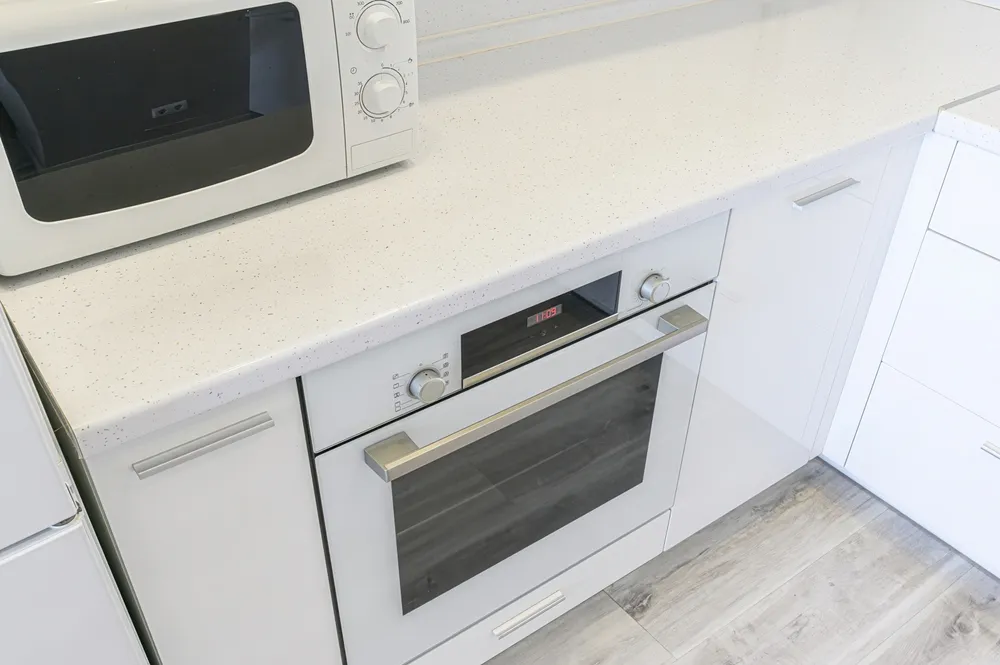
Look for coatings or resurfacing kits specifically rated for countertop use and for the exact substrate you have.
Countertop-Specific Coatings
Countertop-specific products are usually the easiest option because their layers are designed to work together. A system may contain a cleaner, base coat, decorative layer, and protective topcoat rather than requiring you to choose each component independently.
Rust-Oleum currently markets countertop coatings specifically for laminate and other surfaces, while its technical information for Countertop Transformations describes a system using an adhesive base coat, decorative material, and two-component protective topcoat.
Using one coordinated system can reduce compatibility problems between primer, paint, and clear coat.
Stone-Look Countertop Systems
Mineral and stone-look coatings can be appealing when you want more texture than ordinary paint. Some products are designed to roll directly over laminate and create a decorative surface with mineral content.
These finishes can be especially useful when existing laminate has a dated print and a simple solid color would still leave the kitchen looking unfinished. The final style should coordinate with the backsplash and cabinets rather than competing with them.
How Durable Are Painted Laminate Countertops?
A realistic discussion of can you paint laminate countertops has to include durability. A correctly prepared and coated laminate surface can improve appearance substantially, but painted countertops require more care than many factory-finished laminate, quartz, granite, or porcelain surfaces.
Everyday Wear Still Matters
Kitchen counters experience knives, cookware, dishes, appliances, spills, oils, cleaners, and impact. Even a durable coating can eventually show wear in heavily used areas.
Use cutting boards instead of cutting directly on the surface. Place hot cookware on trivets rather than directly on the painted counter. Wipe spills promptly, especially around seams and sink areas.
Also avoid assuming that every coating tolerates every cleaner. Follow the manufacturer’s maintenance recommendations once the finish has cured.
Edges and Sink Areas Need Extra Attention
The front edge of a countertop and the area around the sink typically experience more contact and moisture than the center. These zones are where poor adhesion or damage may appear first.
Water should not be allowed to sit around countertop seams, caulk lines, or damaged edges. If the laminate substrate begins swelling underneath the coating, paint cannot reverse the damage.
A carefully maintained coating is therefore more likely to stay attractive than one exposed to standing water and aggressive cleaning.
How to Make Painted Laminate Countertops Look More Professional
Another important part of can you paint laminate countertops is visual execution. Even technically sound paint can look like an obvious DIY project if the pattern, color, edges, and surrounding kitchen finishes are not coordinated.
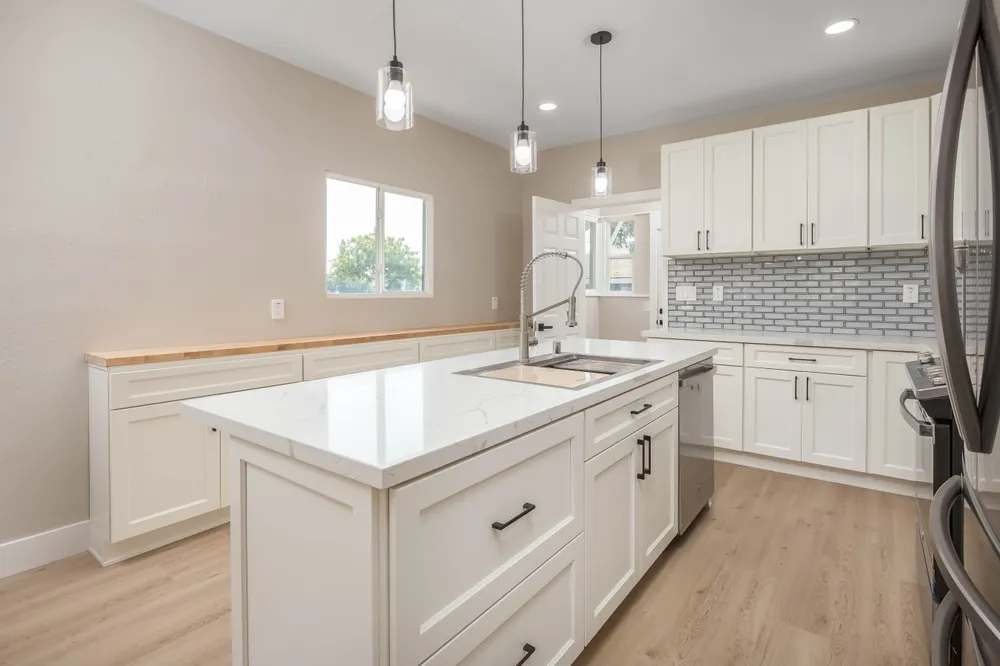
Choose Colors That Fit the Entire Kitchen
Look at the cabinets, floor, backsplash, walls, hardware, appliances, and lighting before selecting a countertop color. Warm cabinets usually look better with countertops containing warm whites, beige, cream, taupe, or soft veining, while cooler cabinetry may coordinate with clean white, gray, charcoal, or blue-gray surfaces.
Avoid selecting the countertop color from a small online photo alone. Test the finish or a comparable sample in the actual kitchen during both daylight and evening lighting.
Keep Faux Stone Effects Subtle
A realistic faux-stone finish usually has variation rather than identical repeating marks. When creating marble-style veins or granite-style texture, use restraint and leave open visual space.
Too many colors, heavy veins, or obvious sponge patterns can make the counter look artificial. A simpler finish usually ages better and coordinates more easily if you change hardware, paint, or backsplash later.
Painted Laminate vs. New Countertops
When deciding can you paint laminate countertops or replace them, consider more than the immediate project price. Painting and replacement solve different problems and offer different levels of durability, design flexibility, and long-term value.
Painting Can Be a Smart Budget Update
Painting can make sense when the countertop is structurally sound and you want an affordable cosmetic improvement. It requires fewer demolition steps and can dramatically change the appearance of an otherwise functional kitchen.
It is particularly useful when you plan additional improvements gradually instead of remodeling the entire kitchen at once.
However, the tradeoff is that the new finish is still a coating over the old countertop rather than a completely new surface.
Replacement Provides a New Surface and New Design Options
Replacing countertops gives you the opportunity to change the material, edge profile, thickness, sink configuration, overhangs, and overall layout. Materials such as quartz and granite can also offer a different level of long-term durability and finish compared with a painted laminate surface.
Two Additional Factors to Consider Before Painting
Before deciding can you paint laminate countertops, two frequently overlooked issues are how long the kitchen can remain partially unavailable and whether other remodeling work is likely in the near future. Both factors can change whether painting is worth the effort.
Plan for Drying and Curing Time
A countertop may look dry before the coating has fully developed its intended resistance. Putting appliances, cutting boards, coffee machines, or heavy objects back too early can leave impressions or damage the finish.
Plan another location for food preparation while the coating cures. Read the manufacturer’s instructions before starting so you know whether the kitchen will be disrupted for a day, several days, or longer.
Patience during curing is one of the simplest ways to protect the work you have already completed.
Think About Your Future Remodeling Plans
If cabinets, flooring, backsplash, appliances, or the kitchen layout will be replaced soon, consider whether painting the countertop is worth doing now.
A short-term coating can still make sense if the larger renovation is months or years away. But if a full remodel is already scheduled, applying money and labor toward a temporary surface may not be the best use of the budget.
Planning the whole kitchen before starting individual improvements reduces the chance of doing the same work twice.
FAQ
These concise answers address common questions homeowners have about can you paint laminate countertops and what to expect from the finished surface.

UKB
Unique Kitchen & baths is a family-owned business that is committed to providing high-quality kitchen and bathroom remodeling, as well as flooring installations at affordable prices.